Explore top-rated Adelaide hearing aid specialists offering advanced solutions to enhance your hearing and lifestyle. Hearing is personal, and the right device can help you reconnect with the people, places, and experiences that matter most. On Adelaide Now, you can find trusted local providers across health and lifestyle services, including hearing care and hearing aid fittings so that you can compare options with confidence.
Your hearing journey typically starts with a comprehensive assessment. An audiologist will ask about your hearing history, noise exposure, and goals, then conduct safe, non-invasive tests that measure how you hear different pitches and volumes. This includes pure-tone testing in a sound-treated space, speech testing to gauge clarity, and tympanometry to check middle-ear function. The results are explained in plain language, with clear recommendations for next steps.
If hearing aids are suitable, you’ll discuss the listening situations that matter to you—conversations at the Central Market, meetings in the CBD, busy cafés along Rundle Street, or quiet time at home. That context helps determine the best style and technology level, balancing performance, comfort, and budget. Many Adelaide clinics also offer trial options, letting you experience real-world sound before committing.
Modern hearing aids are discreet, comfortable, and smart. Your clinician will recommend a style based on your hearing profile, ear anatomy, dexterity, and cosmetic preferences. Common options include:
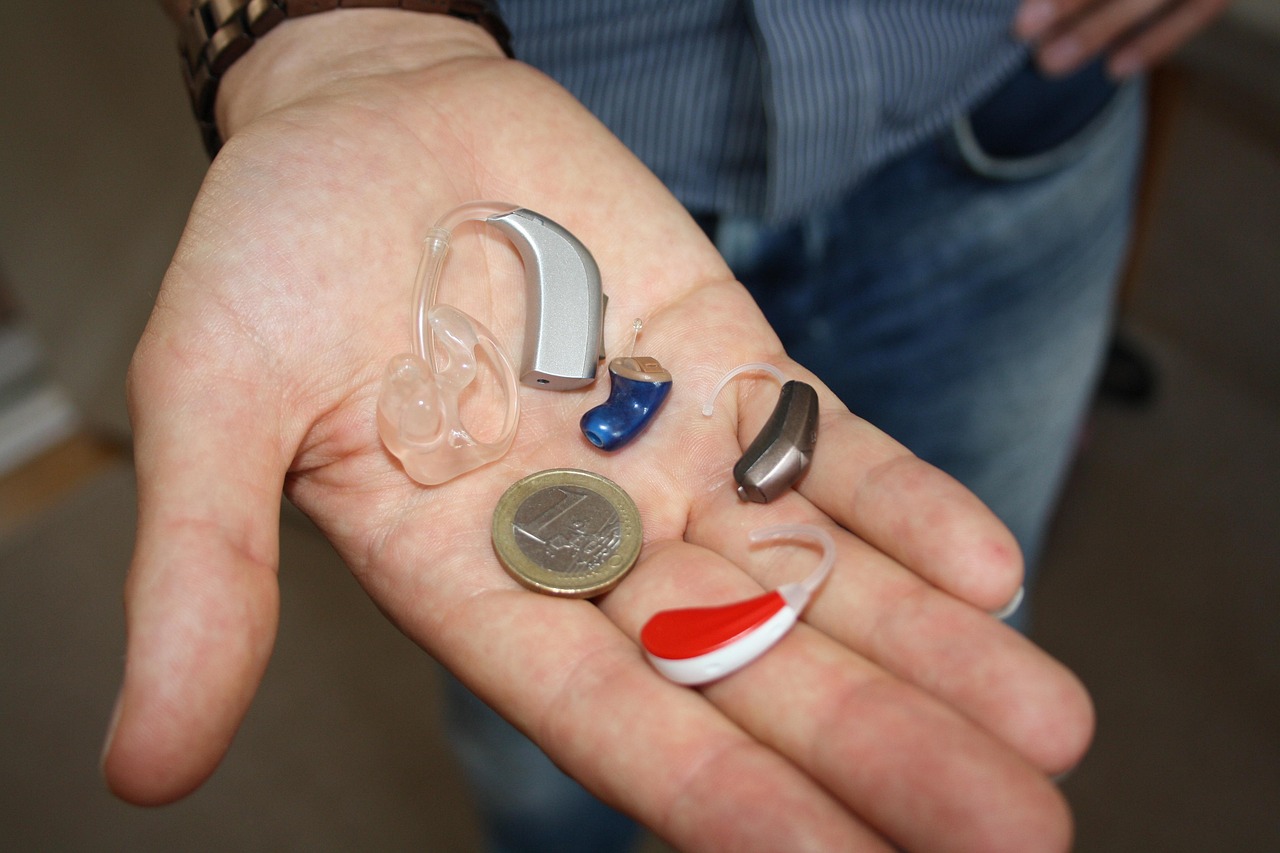
Today’s devices do far more than amplify. Directional microphones help you focus on speech in noise, while digital noise reduction softens background clatter without muting important sounds. Bluetooth connectivity streams calls, music, and TV audio from your phone or compatible accessories—great for those commuting on the tram or joining Teams calls from home. Rechargeable models offer a full day of power without fiddly batteries, and some include dedicated tinnitus relief programs, wind noise management, and automatic scene detection that adapts as you move from quiet offices to lively Glenelg esplanades.
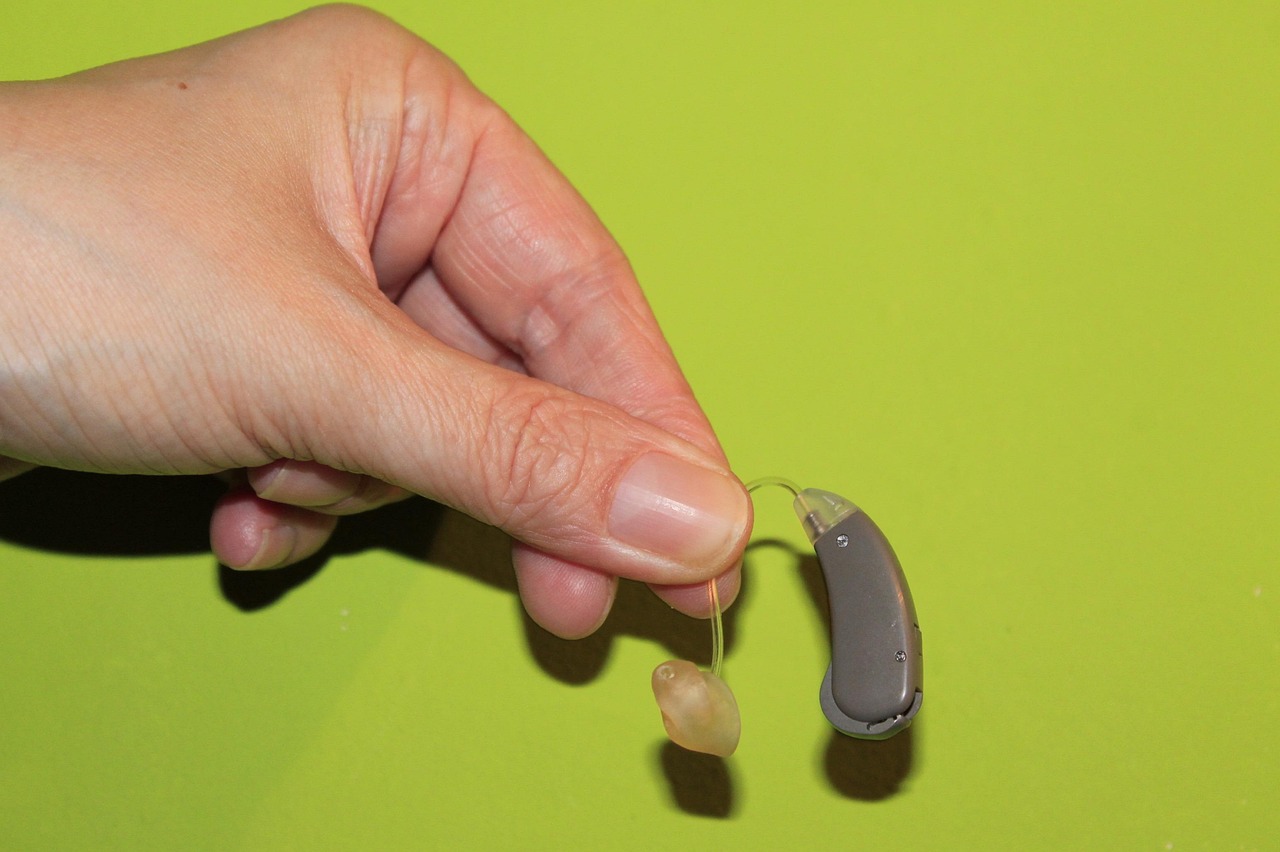
A good fit is about precision and comfort. During your fitting, the clinician will place the devices, run verification measures (often using tiny microphones near the ear), and fine-tune the response to match your hearing prescription. You’ll practice inserting, removing, and cleaning the aids, and you’ll leave with clear instructions for daily care.
Expect a follow-up plan. Your brain needs time to adjust to amplified sound, so most providers schedule checks after the first few weeks to refine settings and ensure you’re hearing comfortably in challenging situations like restaurants or open-plan offices. Many Adelaide specialists offer remote fine-tuning via secure apps, so you can request adjustments without leaving home. Long-term maintenance—such as replacing wax guards, deep cleans, and occasional firmware updates—keeps performance consistent and extends device life.
Two or three appointments can transform the experience: the first establishes a baseline, the second dials in personal preferences, and the third confirms you’re getting the clarity and ease you wanted. If something isn’t working, say so—honest feedback is the fastest route to better hearing.
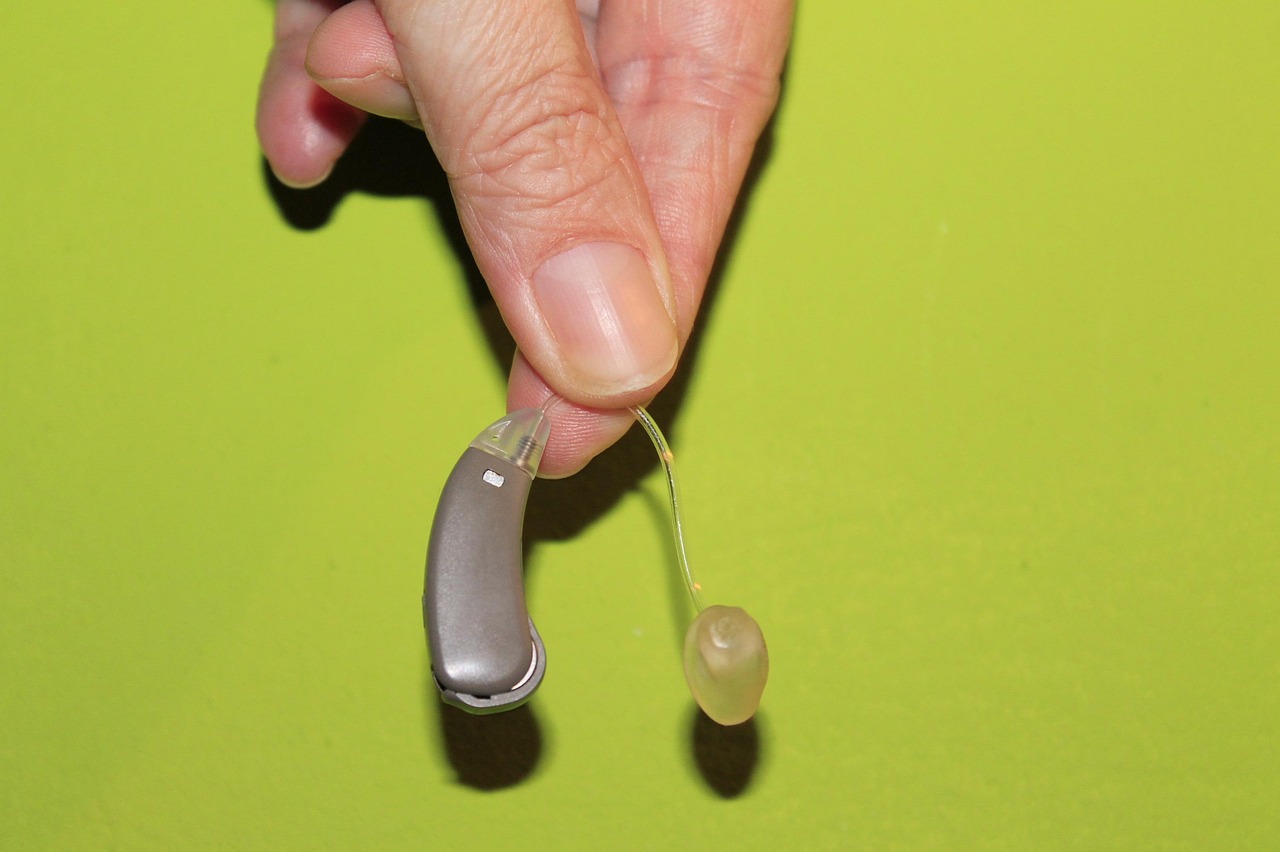
Costs vary with technology level, features, and brand. Entry-level devices cover essential amplification and basic noise reduction. Mid-range adds stronger speech-in-noise performance and better Bluetooth stability. Premium tiers bring advanced sound processing that adapts more precisely to complex acoustic environments, plus the smallest, most discreet form factors.
Australians may access several funding pathways. Eligible pensioners and veterans can apply for the Australian Government Hearing Services Program, which may subsidise devices and services. NDIS participants with hearing-related goals can often seek supports through their plans. Private health insurance extras may offer partial rebates on devices or appointments, and some employers fund hearing protection or assessments for workplace noise management. Your Adelaide provider can outline options and supply quotes that break down device, fitting, and aftercare inclusions so you can make a clear, informed choice.
Most hearing aids include manufacturer warranties (typically 2–3 years) covering faults and repairs, with extended coverage available. Ask what’s included in your service plan—cleaning appointments, loan devices during repairs, and firmware updates can make ownership easier and more predictable.

Small habits compound into big results. Begin by wearing your devices for a few hours a day, gradually increasing the time as your brain adapts to richer sound. In noisy venues, position yourself with your back to the walls or away from kitchens to reduce competing noise. Keep devices dry and clean: wipe them at night, use a drying case if you perspire or spend time outdoors, and change wax filters as recommended.
These small steps protect your investment and help you hear consistently in the places you value most—footy games, family dinners, and morning walks along the River Torrens.
Look for a provider who listens first. They should ask about your lifestyle, clearly explain your audiogram, and set realistic expectations. Transparent pricing, trial options, and evidence-based fitting methods are good signs. Consider convenience too: clinic locations in the CBD or suburbs, home visit availability, after-hours appointments, and responsive support when you need quick tweaks before a big event.
Experience with your specific needs—such as single-sided hearing loss, tinnitus management, or music performance—can make a real difference. If you work in noisy environments, ask about hearing protection and monitoring as part of your plan. And if you’re tech-forward, confirm the team is comfortable supporting app features, accessory pairing, and remote adjustments.

When you’re ready, browse Adelaide Now to connect with top-rated local hearing aid specialists, compare services, and book an appointment that suits your schedule.

